
From Chronic Pain to Capability: How Chronic Injury Progam Rebuilds Work Capacity
Persistent Pain Requires a Different Approach
When pain continues beyond the expected healing period, recovery becomes complex. Many people live with ongoing discomfort, reduced movement, and uncertainty about their ability to return to work. Traditional treatment often focuses on symptoms rather than the underlying biopsychosocial factors that sustain long-term pain.
Navigator Group’s Chronic Injury Program (CIP) was developed to address this challenge through a structured, multidisciplinary framework for individuals experiencing prolonged musculoskeletal conditions, typically beyond 52 weeks post-injury. The program delivers coordinated physical, psychological, and functional rehabilitation to help people move beyond chronic pain and re-engage in meaningful activity.
A Multidisciplinary Model for Complex Recovery
CIP integrates physiotherapy, psychology and technology under clinical leadership. Each participant receives an individualised treatment plan based on a comprehensive assessment of physical and psychological drivers of pain.
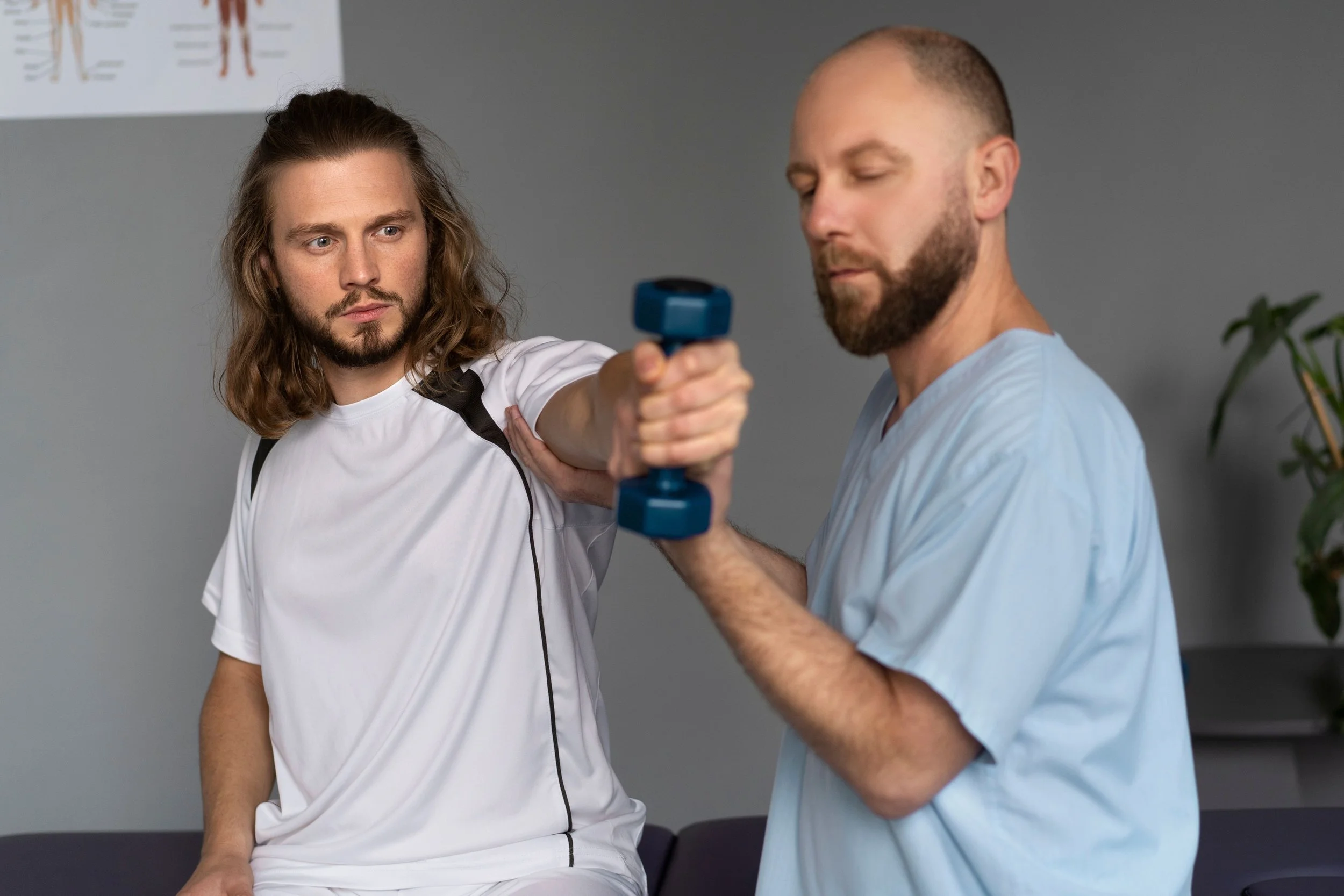
Exercise Physiology and Physiotherapy: Targeted movement programs rebuild strength, flexibility, and function while discouraging reliance on passive treatments.
Psychological Support: Evidence-based therapies, including Eye Movement Desensitisation and Reprocessing (EMDR), address emotional distress, fear avoidance, and maladaptive coping patterns often linked to chronic pain.
Technology-Enabled Insight: Motion sensor technology provides clinicians with real-time feedback on performance and adherence, ensuring treatment remains precise and data-informed.
Collaboration between disciplines ensures every element of recovery is aligned, supporting sustainable functional improvement and psychological readiness for return to work.
Clinical Leadership and Measurable Outcomes
Navigator’s clinical leadership ensures quality and consistency across all CIP interventions. Each participant’s progress is tracked through measurable indicators such as pain reduction, functional gains, and confidence in managing symptoms.
Regular clinical reviews assess progress against individual goals, allowing treatment plans to evolve as recovery advances. This dynamic structure promotes accountability, supports participant engagement, and helps case managers monitor measurable return-to-work outcomes.
Restoring Work Capacity and Quality of Life
CIP is designed to achieve tangible recovery outcomes that translate into meaningful life changes. Participants report:
Improved movement and physical capacity
Reduced pain intensity and frequency
Enhanced confidence and independence
Renewed engagement in work and community life
By addressing both physical and psychological barriers, the program helps participants transition from dependence and avoidance to capability and participation.
Precision in Chronic Injury Recovery
Navigator Group’s Chronic Injury Program represents a shift toward precision rehabilitation and achieves measurable outcomes across recovery, including improved function, reduced pain, and sustainable return to work.
For case managers and insurers, CIP delivers evidence-based results that reduce long-term claim duration and associated costs, ensuring every participant moves forward with clarity and confidence in their recovery journey.